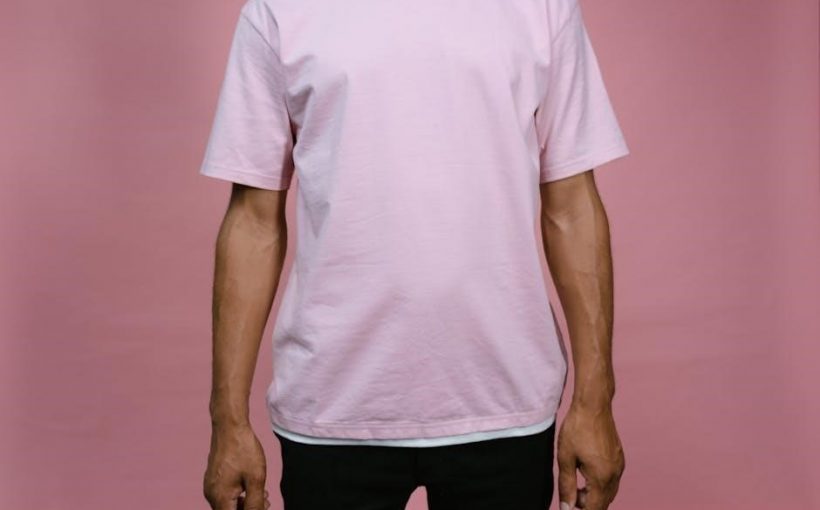
Unisex Shirt Size Guide: A Comprehensive Overview

Navigating unisex shirt sizing can be tricky! This guide details key measurements, brand comparisons (Gildan, Hanes, Bella+Canvas), and conversions for a perfect fit.
Unisex sizing aims to bridge the gap between traditionally gendered clothing fits, offering a more inclusive approach to apparel. These shirts are designed to be comfortably worn by individuals regardless of their gender identity. However, understanding how unisex sizes translate to your body is crucial. Unlike men’s or women’s specific cuts, unisex shirts generally feature a straighter silhouette.
This often results in a relaxed fit for women and a standard fit for men. Key to success is accurate self-measurement, considering chest, waist, and hip dimensions. Brand variations exist, so consulting specific size charts is essential for avoiding fit issues and ensuring satisfaction with your purchase.

Why Unisex Sizes Differ from Gender-Specific Sizing
Gender-specific sizing historically relies on differing body shape assumptions – narrower shoulders and wider hips for women, broader shoulders and straighter torsos for men. Unisex sizing bypasses these assumptions, employing a more averaged cut. This means a unisex ‘Medium’ won’t necessarily equate to a men’s or women’s ‘Medium’ in terms of fit.
Women may find unisex shirts boxier, while men might experience a closer fit. The goal is versatility, but it necessitates careful measurement. Unisex designs prioritize comfort and inclusivity, moving away from rigidly defined silhouettes, offering a middle ground for diverse body types and preferences.
Understanding Key Measurements for Shirt Sizing
Accurate measurements are crucial for a successful unisex shirt fit. Chest measurement, taken at the fullest part of the chest, dictates width. Waist measurement, found at the natural waistline, impacts the shirt’s overall shape. Hip measurement, measured at the fullest part of the hips, is less critical for standard t-shirts but important for longer styles.
Compare these measurements against brand-specific size charts – they vary significantly! Don’t rely solely on S, M, L; use actual inches or centimeters. Consider your build; a broader chest might require sizing up, even with a smaller waist.
Chest Measurement
Chest measurement is paramount for unisex shirts, determining if the garment will comfortably fit across the broadest part of your torso. Use a flexible measuring tape, keeping it level and snug – not tight – under your arms. Measure around the fullest point of your chest, ensuring the tape is parallel to the floor.
Refer to brand size charts; a 34-36 inch chest typically corresponds to a Youth XS, while an adult XS fits 38-40 inches. Remember, unisex sizing often favors a straighter cut, so a larger chest may necessitate sizing up for comfort and mobility.
Waist Measurement
Waist measurement, while seemingly less crucial for shirts, impacts the overall fit, especially in styles with a more tailored silhouette. Locate your natural waistline – typically the narrowest part of your torso, above your belly button. Use a measuring tape, ensuring it’s comfortably snug, not constricting.
Unisex charts often list waist ranges alongside chest measurements. For example, a 22-24 inch waist might align with an X-Small. Consider how you prefer your shirts to hang; a larger waist may benefit from sizing up for a relaxed fit, avoiding a pulled or constricted feel.
Hip Measurement
Hip measurement is particularly relevant for longer unisex shirts, tunic styles, or those with a fuller cut. Stand with your feet together and measure around the fullest part of your hips and buttocks, keeping the tape measure level. Don’t pull the tape too tightly; it should rest comfortably against your body.
Unisex size charts sometimes include hip measurements, especially for larger sizes; A hip measurement of 91-96 cm might correspond to a size Small. If your hip measurement falls between sizes, consider the shirt’s style – a more fitted style may require sizing up.
Unisex Shirt Size Charts: A Brand-by-Brand Comparison
Brand sizing varies significantly, making a direct comparison crucial. Gildan’s unisex tees often run larger, while Bella+Canvas tends to be more fitted. Hanes generally offers a standard unisex fit. Always consult each brand’s specific chart before purchasing.
Gildan’s adult Small chest measurement is 34-36 inches, while Bella+Canvas’s Small is 34-35. Waist and hip measurements also differ. Youth sizes also vary between brands. Downloading PDF size charts from brand websites ensures accuracy, avoiding frustrating returns and exchanges.

Gildan Unisex T-Shirt Size Chart
Gildan’s chart covers a wide range, from Youth XS to Adult 5XL. Youth sizes correspond to chest measurements: XS (34-36”), S (38-40”), M (42-44”), L (46-48”), and XL (50-52”). Adult sizes begin with Small (34-36” chest), progressing to Medium (38-40”), Large (42-44”), XL (46-48”), 2XL (50-52”), 3XL (54-56”), 4XL (58-60”), and 5XL (62-64”).
Waist measurements also increase with size. It’s important to note Gildan’s unisex shirts generally have a looser, more relaxed fit. Refer to the official Gildan size chart PDF for the most accurate and up-to-date information before making a purchase.
Hanes Unisex T-Shirt Size Chart
Hanes’ unisex t-shirt sizing offers options from XS to 5XL. Chest measurements for adults start at XS (34-36 inches), moving through S (38-40”), M (42-44”), L (46-48”), XL (50-52”), 2XL (54-56”), 3XL (58-60”), 4XL (60-62”), and culminating in 5XL (64-66”). Waist measurements correspondingly increase with each size increment.
Hanes shirts typically provide a classic fit, suitable for both men and women. Always consult the official Hanes size chart PDF online for precise details, as slight variations can occur between styles. Accurate measurement is key for optimal comfort and style.
Bella+Canvas Unisex T-Shirt Size Chart
Bella+Canvas’ unisex t-shirts are known for their modern fit and soft fabrics. Their size range typically spans from XS to 4XL. Chest measurements begin at XS (34-36 inches), progressing through S (38-40”), M (42-44”), L (46-48”), XL (50-52”), 2XL (54-56”), 3XL (58-60”), and finishing at 4XL (62-64”). Waist measurements align with these chest sizes, ensuring a comfortable, contemporary silhouette.
Bella+Canvas often features a slightly slimmer cut compared to other brands. Refer to their official online size chart for the most accurate measurements, as styles may vary.
Converting Between Unisex, Men’s, and Women’s Sizes
Understanding size conversions is crucial when shopping. Generally, a unisex size translates to a men’s size, but women often need to size down. For example, a unisex Large might fit a man perfectly, but a woman might prefer a Medium. Conversely, when converting from women’s sizes to unisex, consider sizing up.
Accurate conversions depend on the brand and fit. Use online size charts as a guide, but prioritize chest and waist measurements for the best results. Remember, these are approximations; individual body shapes vary!
Unisex to Men’s Size Conversion
Generally, unisex and men’s sizes align closely. A unisex size Small typically corresponds to a men’s Small. However, slight variations exist between brands. Men with broader shoulders or chests might find a unisex shirt feels more fitted. Conversely, a slimmer build might prefer the relaxed fit of a unisex option.
When in doubt, consult the specific brand’s size chart. Pay attention to chest measurements – this is the most reliable indicator. If between sizes, consider opting for the larger size for comfort and freedom of movement.
Unisex to Women’s Size Conversion
Converting from unisex to women’s sizing requires careful consideration. Unisex shirts often have a straighter cut, while women’s shirts are typically more contoured. A unisex Small might fit a woman who usually wears a Women’s Medium, depending on desired fit. Women desiring a more fitted look may size down.
Focus on chest and hip measurements when comparing. Many brands offer detailed charts illustrating these conversions. Remember, unisex shirts offer a relaxed fit for women, while a women’s cut provides a tailored silhouette. Always prioritize comfort and intended style.
Imperial vs. Metric Size Charts
Understanding the difference between imperial and metric sizing is crucial for accurate shirt selection. Imperial charts utilize inches for measurements like chest and waist, common in the US. Metric charts, prevalent internationally, employ centimeters. Accurate self-measurement is key, regardless of the system used.
Many brands provide both imperial and metric conversions on their size charts. When shopping online, double-check the chart’s units before measuring. Incorrect unit interpretation leads to significant sizing errors. Utilize online converters if needed to ensure a perfect fit, avoiding returns and exchanges.
Common Fit Styles in Unisex Shirts
Unisex shirts offer diverse fits catering to varied preferences. Classic fit provides a traditional, relaxed silhouette with ample room. Relaxed fit enhances comfort with an even looser cut, ideal for casual wear. Conversely, slim fit offers a more tailored appearance, hugging the body closely.
Fit impacts overall appearance and comfort. Consider your body type and desired style. A classic fit suits most, while relaxed fits prioritize ease. Slim fits are best for those preferring a modern, streamlined look. Fabric also influences fit; stretchy materials offer more flexibility.
Classic Fit
The classic fit in unisex shirts represents a timeless and universally flattering style. It’s characterized by a straightforward cut that isn’t too tight or too loose, offering ample room for comfortable movement. This style generally provides a relaxed, yet neat appearance, suitable for diverse body types.
Classic fit shirts typically feature a standard shoulder and chest width, avoiding a boxy or overly fitted silhouette. It’s a versatile choice for everyday wear, layering, or more polished looks. It’s often the default fit for many brands, making it a reliable option when seeking a comfortable and familiar style.

Relaxed Fit
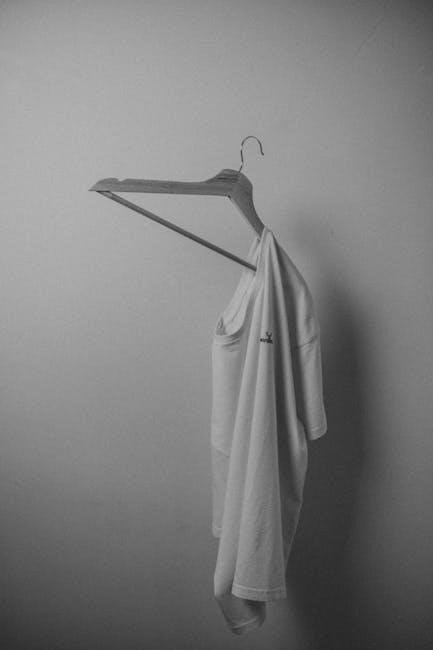
A relaxed fit unisex shirt prioritizes comfort and ease of movement above all else. This style offers a looser, more generous cut throughout the body, providing a comfortable feel without appearing sloppy. It’s ideal for those who prefer a less structured silhouette or enjoy a more casual aesthetic.
Relaxed fit shirts typically have a wider body and sleeves compared to classic or slim fits. They often fall more loosely from the shoulders and offer greater freedom of movement. This style is excellent for layering or warmer weather, providing breathability and a comfortable, laid-back look.
Slim Fit
A slim fit unisex shirt is designed to follow the body’s natural lines more closely, offering a modern and tailored appearance. It’s not overly tight, but provides a neater, more streamlined silhouette compared to relaxed or classic fits. This style is popular for those who prefer a more polished and fitted look.
Slim fit shirts generally have a narrower cut through the chest, waist, and sleeves. They often feature side seams for enhanced shaping and a more refined aesthetic. While offering a closer fit, they still allow for comfortable movement, making them suitable for both casual and semi-formal occasions.
Factors Affecting Shirt Size Choice
Several elements beyond basic measurements influence your ideal unisex shirt size. Fabric composition plays a crucial role; stretchy materials like blends allow for a closer fit, while rigid fabrics require more room. Shirt length and style – cropped, standard, or longline – also impact sizing.
Personal preference is paramount. Do you prefer a looser, more comfortable feel, or a snug, tailored look? Consider layering; if you plan to wear a shirt under another garment, size up accordingly. Ultimately, understanding these factors ensures a comfortable and flattering fit.
Fabric Type and Stretch
The fabric’s composition significantly impacts sizing decisions. Cotton shirts generally maintain their shape, requiring a truer-to-size fit, while blends incorporating spandex or polyester offer substantial stretch. This stretch allows for a more forgiving fit, potentially enabling you to size down for a closer silhouette.
Heavier weight fabrics, like thick cotton jersey, may feel more restrictive, suggesting sizing up for comfort. Conversely, lightweight, highly stretchy materials can accommodate a wider range of body types. Always consider the fabric’s inherent properties when selecting your size.
Shirt Length and Style
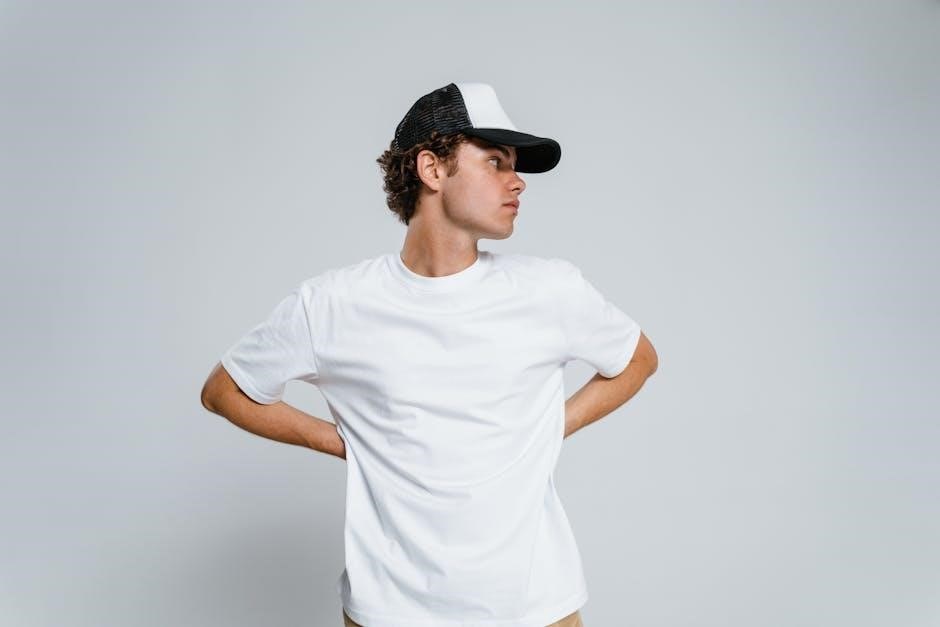
Shirt length and overall style dramatically influence perceived fit. Classic fit shirts tend to be fuller through the chest and waist, offering a relaxed silhouette, while slim fit styles are more tailored. A longer shirt may require sizing down to avoid excess fabric, especially for those with shorter torsos.

Consider whether you prefer a tucked-in or untucked look, as this impacts the ideal length. Modern cuts often feature a slightly elongated back hem for better coverage. Different styles, like crew necks versus V-necks, can also subtly alter how a shirt fits.
Personal Preference for Fit
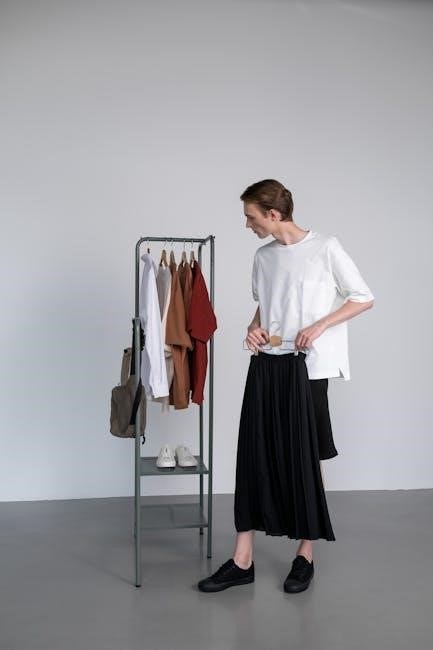
Ultimately, the “right” size is subjective and depends on your desired aesthetic. Some individuals prefer a snug, fitted look, while others favor a looser, more comfortable feel. If you like a relaxed style, consider sizing up, particularly in unisex cuts designed for a standard male fit.
Experimenting with different sizes within the same brand is key to discovering your ideal fit. Don’t be afraid to try on shirts and assess how they drape and move with your body. Personal comfort and confidence are paramount!
How to Accurately Measure Yourself for a Unisex Shirt
Precise measurements are crucial for a successful fit! Use a flexible measuring tape and stand naturally. Measure your chest at the fullest part, keeping the tape parallel to the floor. For waist measurement, find your natural waistline – typically the narrowest part of your torso.
Don’t pull the tape too tightly; ensure it’s snug but comfortable. Compare your measurements to the brand’s specific size chart, as sizing can vary significantly. It’s best to have someone assist you for greater accuracy.
Dealing with Size Inconsistencies Between Brands
Brand sizing varies considerably! A ‘Large’ in one brand might fit like a ‘Medium’ in another. Always consult each brand’s unique size chart before purchasing. Don’t rely on your usual size; measurements are key.
Read online reviews – other customers often share sizing experiences. If unsure, size up; it’s easier to alter a slightly larger shirt than a too-small one. Familiarize yourself with return policies for easy exchanges if the fit isn’t right. Prioritize chest and waist measurements for the best results.
Adaptive Apparel Sizing for Unisex Shirts
Adaptive apparel prioritizes comfort and ease of dressing. Silverts offers unisex adaptive clothing with modified sizing to accommodate various needs. These shirts often feature open-back designs or magnetic closures. Sizing focuses on chest and waist measurements, similar to standard unisex charts, but with added ease for mobility.
Consider the wearer’s specific requirements – wheelchair users may need a longer length. Consult Silverts’ size chart for accurate measurements. Adaptive sizing aims to provide a comfortable and dignified fit for individuals with disabilities.
Unisex Size Charts by Chest and Waist Measurements
Utilizing chest and waist measurements is crucial for accurate sizing. A general chart shows XXS fitting chests 78-81cm/waists 61-64cm, XS at 84-86cm/66-71cm, S at 91-96cm/74-79cm, M at 99-104cm/81-86cm. Larger sizes continue proportionally: L (102-107cm/89-95cm), XL (107-111cm/95-101cm), XXL (111-115cm/101-107cm), and XXXL (115cm+/107cm+).
Remember these are averages; brand variations exist. Always prioritize the larger size if measurements fall between categories. Accurate self-measurement, combined with these charts, ensures a better fit and reduces returns.
Unisex Size Charts with UK and EU Conversions
Understanding international sizing is key for global shoppers. Generally, XXS equates to UK size 8/EU 36, XS to UK 10/EU 38, S to UK 12/EU 40, and M to UK 14/EU 42. Larger sizes follow: L (UK 16/EU 44), XL (UK 18/EU 46), and XXL (UK 20/EU 48).
However, conversions can vary slightly between brands. Always consult the specific brand’s size chart for the most accurate fit. These charts provide a helpful starting point, but individual body shapes and preferences should also be considered.
Where to Find Brand-Specific Size Charts Online
Locating accurate size charts is crucial for online shopping. Most brands feature detailed sizing information directly on their websites, often within the product description or a dedicated “Size Guide” section. Gildan’s charts are readily available on their official site, as are Hanes’ and Bella+Canvas’s.
Retailers like Amazon also frequently host brand size charts. A quick Google search using “[Brand Name] size chart” will usually yield the correct resource. Always prioritize the brand’s official chart for the most reliable measurements.
Understanding Youth Unisex Shirt Sizing
Youth unisex sizing differs significantly from adult charts. Typically, youth sizes are designated by chest measurements (e.g., 34-36 inches) rather than traditional S, M, L. Gildan provides a clear youth size chart, correlating ages/sizes to chest dimensions. These charts often cover sizes from XS (size 4) up to XL (size 18/20).
Remember youth sizing isn’t strictly age-based; measuring chest circumference is vital. Unisex youth shirts offer a generally straighter cut, suitable for both boys and girls, prioritizing comfort and ease of movement during play.
Tips for Online Shirt Shopping: Avoiding Size Mistakes
Online shirt shopping requires extra caution regarding sizing. Always prioritize checking the brand’s specific size chart – inconsistencies are common! Don’t rely on generic S, M, L designations. Measure your chest and waist accurately before ordering, comparing those figures to the chart.

Read customer reviews; they often mention whether items run large or small. Consider the fabric type – some materials shrink after washing. Familiarize yourself with return policies before purchasing, ensuring easy exchanges for incorrect sizes.
Return Policies and Exchanges for Incorrect Sizes
Understanding return policies is crucial when buying unisex shirts online. Before finalizing your purchase, meticulously review the retailer’s guidelines regarding returns and exchanges for sizing issues. Note the timeframe allowed for returns – typically 30-60 days – and any associated shipping costs.
Some brands offer free return shipping, while others require you to pay. Check if exchanges are permitted, or if a refund is the only option. Keep original packaging and tags intact to facilitate a smooth return process. Document everything!
Resources for Further Size Guidance
Need more help finding your perfect unisex shirt size? Several online resources offer detailed sizing information and tools. Brand websites like Gildan, Hanes, and Bella+Canvas provide specific size charts for their products. Retailers often include customer reviews mentioning fit accuracy.
Websites dedicated to apparel sizing, like those offering conversion charts (imperial to metric, UK to EU), can be invaluable. Don’t hesitate to consult online forums or communities for shared experiences and advice regarding specific brands or styles.
Achieving the ideal unisex shirt fit requires understanding your measurements, brand variations, and preferred style. Remember that size charts are guidelines, and inconsistencies exist. Accurate self-measurement is crucial, alongside considering fabric type and stretch.
Don’t shy away from checking return policies before purchasing online. Prioritize comfort and a fit that complements your body shape. Ultimately, finding your perfect unisex shirt is about informed choices and a little experimentation!