Sibo Diet PDF: A Comprehensive Guide
Navigating SIBO requires a tailored dietary approach, often documented in a SIBO diet PDF. These guides detail elimination phases, reintroduction protocols, and beyond,
offering structured support for managing symptoms and fostering gut health. Accessing reliable resources is key to successful implementation.
Understanding SIBO and the Need for a Diet

Small Intestinal Bacterial Overgrowth (SIBO) fundamentally disrupts the normal digestive process. A SIBO diet isn’t merely a preference; it’s a crucial therapeutic intervention. Normally, bacteria are concentrated in the large intestine, aiding in fermentation and waste processing. However, in SIBO, excessive bacteria populate the small intestine, consuming nutrients intended for the body.
This bacterial overgrowth leads to malabsorption, nutrient deficiencies, and the production of gas, causing a cascade of uncomfortable symptoms. Dietary modification becomes paramount because certain foods fuel bacterial fermentation, exacerbating these issues. A carefully constructed SIBO diet, often detailed in a comprehensive PDF guide, aims to starve the overgrown bacteria, reducing gas production and allowing the small intestine to heal.
The goal isn’t long-term restriction, but rather a phased approach – initially eliminating problematic foods, then strategically reintroducing them to identify individual triggers. A SIBO diet PDF provides a roadmap for this process, offering lists of allowed and restricted foods, meal planning ideas, and guidance on navigating the complexities of SIBO management. It’s a proactive step towards regaining control of digestive health.

What is SIBO? (Small Intestinal Bacterial Overgrowth)
Small Intestinal Bacterial Overgrowth (SIBO) is a condition where an excessive amount of bacteria resides in the small intestine. Unlike the large intestine, which naturally hosts a vast bacterial population, the small intestine should have relatively few bacteria. This imbalance disrupts normal digestion and nutrient absorption, leading to a range of gastrointestinal symptoms.
Several factors can contribute to SIBO, including structural abnormalities in the digestive tract, motility disorders (slow movement of food), and immune deficiencies. When bacteria proliferate in the small intestine, they ferment undigested carbohydrates, producing gas and causing bloating, abdominal pain, and altered bowel habits. Understanding SIBO is the first step towards effective management, often guided by a SIBO diet PDF.
A SIBO diet PDF outlines strategies to reduce bacterial fuel sources. It’s not an infection, but a disruption of the gut ecosystem. Dietary changes, detailed within these guides, aim to starve the overgrowth, allowing the small intestine to heal and function optimally. Proper diagnosis and a tailored dietary plan are essential for successful SIBO treatment.
Symptoms of SIBO
SIBO manifests with a diverse array of symptoms, often mimicking other gastrointestinal disorders, making diagnosis challenging. Common indicators include bloating, abdominal pain, and excessive gas, frequently occurring after meals. Changes in bowel habits, ranging from diarrhea to constipation, are also prevalent. Many individuals experience nausea and a feeling of fullness even after consuming small portions of food.
Beyond digestive distress, SIBO can trigger systemic symptoms. Nutrient malabsorption, stemming from bacterial interference, can lead to weight loss, fatigue, and deficiencies in essential vitamins and minerals. Some individuals report skin issues like eczema or rosacea, and even neurological symptoms such as brain fog or anxiety. A SIBO diet PDF can help pinpoint trigger foods exacerbating these symptoms.
Recognizing these symptoms is crucial for seeking appropriate medical evaluation. A SIBO diet, detailed in a comprehensive PDF, isn’t a cure-all, but a vital component of a broader treatment plan. Early intervention and dietary adjustments can significantly improve quality of life for those affected by SIBO.
The Role of Diet in SIBO Management
Diet plays a pivotal role in SIBO management, aiming to reduce bacterial overgrowth and alleviate symptoms. It’s not a standalone cure, but a cornerstone of treatment, often guided by a detailed SIBO diet PDF. The primary goal is to starve the bacteria by limiting their food sources – fermentable carbohydrates.
Dietary strategies typically involve an elimination phase, restricting foods high in FODMAPs (Fermentable Oligosaccharides, Disaccharides, Monosaccharides, and Polyols). This reduces substrate available for bacterial fermentation, lessening gas production and bloating. A SIBO diet PDF will outline specific foods to avoid during this phase.
Following the elimination phase, a carefully managed reintroduction process helps identify individual trigger foods. This personalized approach, detailed in a SIBO diet PDF, allows for dietary expansion while minimizing symptom recurrence. Dietary adherence, alongside other therapies, is crucial for long-term SIBO control and improved gut health. A well-structured PDF provides the necessary guidance.

The Low-FODMAP Diet for SIBO
A low-FODMAP diet, often detailed in a SIBO diet PDF, is a temporary eating plan. It minimizes fermentable carbohydrates, reducing bacterial fuel and easing digestive distress for SIBO sufferers.
What are FODMAPs?
FODMAP is an acronym standing for Fermentable Oligosaccharides, Disaccharides, Monosaccharides, And Polyols. These are short-chain carbohydrates – sugars – that are poorly absorbed in the small intestine. A SIBO diet PDF will often dedicate significant space to understanding these compounds, as they are central to the dietary approach.
Because they aren’t well absorbed, FODMAPs travel to the large intestine where they are fermented by bacteria. In a healthy gut, this isn’t usually a problem. However, in individuals with SIBO, excessive bacterial overgrowth leads to increased fermentation. This process produces gas, causing bloating, abdominal pain, diarrhea, or constipation – common SIBO symptoms.
Different FODMAPs are categorized based on their chemical structure: Fructose (fruits, honey), Lactose (dairy), Fructans (wheat, onions, garlic), Galactans (legumes), and Polyols (sugar alcohols like sorbitol and mannitol). A comprehensive SIBO diet PDF will list foods high in each FODMAP category, guiding individuals on what to limit or avoid during the elimination phase. Understanding which foods contain which FODMAPs is crucial for successful dietary management.
FODMAPs and SIBO: The Connection
The link between FODMAPs and SIBO is significant; a SIBO diet PDF emphasizes this relationship. In SIBO, the overabundance of bacteria in the small intestine readily ferments FODMAPs, leading to a cascade of gastrointestinal distress. This fermentation isn’t the primary cause of SIBO, but it dramatically exacerbates symptoms.
Essentially, FODMAPs act as fuel for the overgrown bacteria. The more FODMAPs present, the more gas produced, contributing to bloating, pain, and altered bowel habits. A SIBO diet PDF will explain how reducing FODMAP intake ‘starves’ the bacteria, lessening their activity and alleviating symptoms.
This isn’t a long-term solution, but a crucial step in managing SIBO. The goal isn’t necessarily permanent FODMAP restriction, but rather symptom control while addressing the underlying bacterial overgrowth. A well-structured SIBO diet PDF will detail a phased approach – elimination, followed by careful reintroduction – to identify individual FODMAP sensitivities and maximize dietary freedom. Understanding this connection empowers individuals to take control of their gut health.
The Elimination Phase of the Low-FODMAP Diet
The elimination phase, detailed in a SIBO diet PDF, is the initial, most restrictive stage of the low-FODMAP approach. Typically lasting 2-6 weeks, its purpose is to significantly reduce FODMAP intake to calm the digestive system and minimize bacterial fermentation. A SIBO diet PDF will provide comprehensive lists of foods to avoid, categorized by FODMAP type.
Strict adherence is crucial during this phase to accurately assess symptom improvement. This means meticulously reading food labels, being cautious of hidden FODMAPs in processed foods, and potentially altering cooking methods. A SIBO diet PDF often includes sample meal plans and shopping lists to simplify the process.
It’s important to remember this phase isn’t intended for long-term maintenance. It’s a diagnostic tool. A SIBO diet PDF will emphasize that the elimination phase is followed by a carefully planned reintroduction phase, where FODMAPs are systematically reintroduced to identify individual trigger foods and personalize the diet. Patience and diligence are key to success.
Foods to Avoid During the Elimination Phase
A comprehensive SIBO diet PDF will meticulously outline foods to avoid during the initial elimination phase. This is the cornerstone of reducing bacterial fermentation and symptom flare-ups. High-FODMAP foods are categorized for clarity, making navigation easier.
Common culprits include fruits like apples, pears, mangoes, and watermelon; vegetables such as onions, garlic, broccoli, and asparagus; dairy products containing lactose; and sweeteners like honey, high-fructose corn syrup, and sorbitol. A detailed SIBO diet PDF will also highlight hidden sources of FODMAPs in processed foods.
Beyond these, certain legumes (beans, lentils), wheat, and rye are typically restricted. A SIBO diet PDF often provides alternative suggestions – low-FODMAP options to ensure nutritional adequacy. Careful label reading is paramount, as FODMAPs can be disguised under various names. Remember, this phase is temporary, designed to identify individual sensitivities.
High-FODMAP Fruits
A SIBO diet PDF clearly identifies high-FODMAP fruits to avoid during the elimination phase. These fruits contain varying levels of fructose, sorbitol, and polyols, contributing to SIBO symptoms through bacterial fermentation. Understanding these triggers is crucial for effective dietary management.
Common high-FODMAP fruits include apples, pears, mangoes, cherries, peaches, plums, watermelon, and dried fruits. Even small portions can exacerbate symptoms in sensitive individuals. A detailed SIBO diet PDF will often specify the serving sizes that may be tolerated, though complete avoidance is generally recommended initially.
It’s important to note that fruit juice concentrates are also high in FODMAPs. A helpful SIBO diet PDF provides a list of low-FODMAP fruit alternatives, such as bananas (ripe, but not overripe), blueberries, strawberries, and oranges in limited quantities. Careful consideration of fruit choices is vital during the elimination phase.
High-FODMAP Vegetables
A comprehensive SIBO diet PDF meticulously outlines high-FODMAP vegetables to restrict during the elimination phase. These vegetables often contain fructans, galactans, or polyols, fueling bacterial overgrowth and triggering uncomfortable digestive symptoms. Identifying these culprits is paramount for symptom relief.
Common high-FODMAP vegetables include asparagus, artichokes, onions, garlic, leeks, shallots, broccoli, cauliflower, Brussels sprouts, and mushrooms. Even seemingly healthy vegetables can contribute to SIBO flare-ups. A well-structured SIBO diet PDF will detail portion sizes and potential sensitivities.
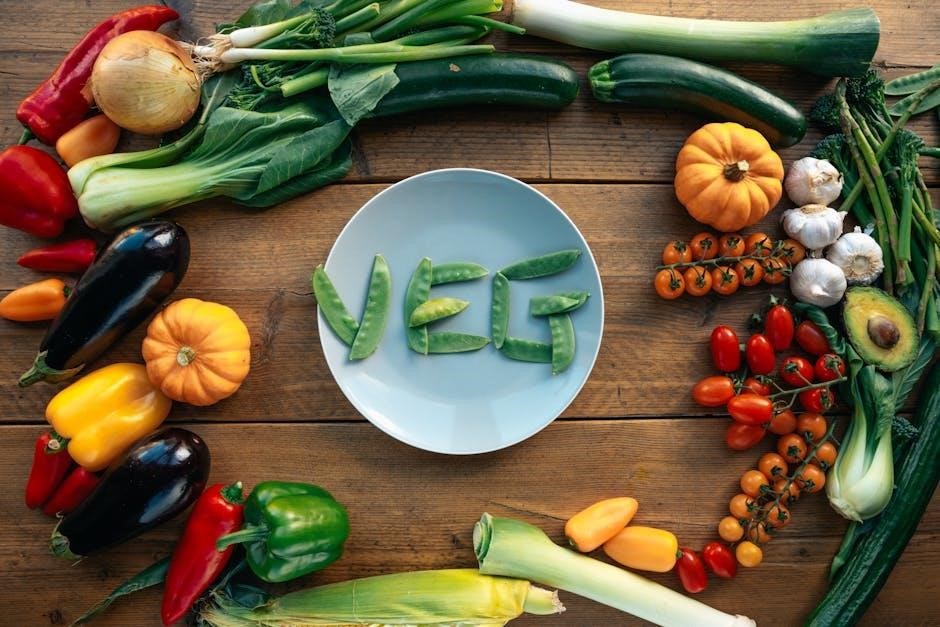
It’s crucial to remember that the cooking method can sometimes influence FODMAP content. A useful SIBO diet PDF will suggest low-FODMAP alternatives like carrots, cucumbers, spinach, bell peppers (red, yellow, orange), and zucchini. Diligent vegetable selection is a cornerstone of the SIBO diet.
High-FODMAP Dairy & Alternatives
A detailed SIBO diet PDF emphasizes careful consideration of dairy and milk alternatives due to their lactose and potential fructose/polyol content. Lactose, a disaccharide, can be poorly absorbed in SIBO sufferers, leading to fermentation and gas production. Understanding these triggers is vital for effective symptom management.
Traditional dairy products like milk, yogurt, ice cream, soft cheeses (ricotta, cottage cheese), and whey protein are generally high in FODMAPs and should be avoided during the elimination phase. A comprehensive SIBO diet PDF will highlight lactose-free options as potential reintroduction foods, cautiously.
Many plant-based milk alternatives also pose challenges. Almond milk, soy milk (containing polyols), and sweetened varieties often contain high-FODMAP ingredients. A helpful SIBO diet PDF recommends unsweetened almond milk in small quantities or opting for coconut milk (from the carton, not the can) as a safer alternative. Careful label reading is essential.
High-FODMAP Sweeteners & Other Problem Foods
A thorough SIBO diet PDF details numerous hidden FODMAP sources, extending beyond fruits, vegetables, and dairy. Many common sweeteners significantly contribute to SIBO symptoms and require strict avoidance during the elimination phase. Identifying these is crucial for successful dietary management.
High-fructose corn syrup (HFCS), honey, agave nectar, and fruit juice concentrates are all high in fructose and should be eliminated. A well-structured SIBO diet PDF will suggest alternatives like small amounts of maple syrup or stevia, cautiously testing tolerance during reintroduction. Artificial sweeteners like sorbitol and mannitol, often found in sugar-free products, are polyols and problematic.
Other potential triggers include inulin, chicory root, and certain gums (guar gum, xanthan gum) frequently used as food additives. A detailed SIBO diet PDF emphasizes reading ingredient labels meticulously. Processed foods often contain hidden FODMAPs, making whole, unprocessed foods the safest choice during the initial elimination period.
The Reintroduction Phase: Identifying Trigger Foods
A comprehensive SIBO diet PDF emphasizes that the reintroduction phase is paramount for personalized dietary management. After the strict elimination phase, systematically reintroducing FODMAP groups – one at a time – is essential to pinpoint individual trigger foods. This isn’t about permanently restricting all FODMAPs, but understanding your tolerance levels.
The PDF will guide you to introduce a single FODMAP group (e.g., fructose) in increasing quantities over 3 days, carefully monitoring for symptom recurrence. Detailed symptom tracking is vital; a SIBO diet PDF often includes a symptom journal template. If symptoms arise, that FODMAP is identified as a trigger and avoided for a longer period.
Reintroduction should be slow and methodical, allowing the gut to respond. A well-designed SIBO diet PDF stresses the importance of not challenging multiple FODMAPs simultaneously. Success relies on patience and diligent record-keeping, ultimately leading to a more sustainable and individualized dietary plan.

Tips for Successful Reintroduction
A quality SIBO diet PDF highlights several crucial tips for a smooth reintroduction phase. Start small – begin with a tiny portion of the test food and gradually increase it over three days, as outlined in the PDF’s protocol; Prioritize symptom journaling; detailed notes are invaluable for identifying triggers. Don’t reintroduce during stressful periods, as stress can exacerbate SIBO symptoms and skew results.
Ensure adequate hydration throughout the process, supporting optimal gut function. Choose single-ingredient foods for reintroduction, avoiding complex recipes that mask potential triggers. If symptoms appear, stop immediately and revert to the elimination diet. A SIBO diet PDF often advises waiting until symptoms fully subside before attempting another reintroduction.
Remember, reintroduction isn’t a race; it’s a careful exploration of your individual tolerance. Patience and consistency, guided by the PDF’s instructions, are key to unlocking a personalized, sustainable dietary approach.

Beyond Low-FODMAP: Additional Dietary Considerations
A comprehensive SIBO diet PDF often explores diets like SCD or elemental options. Protein intake and healthy fats are vital, alongside low-FODMAP principles, for optimal healing and gut support.
The Specific Carbohydrate Diet (SCD) for SIBO
The Specific Carbohydrate Diet (SCD), detailed in many SIBO diet PDFs, is a more restrictive approach than low-FODMAP. It focuses on eliminating complex carbohydrates – starches, most grains, and refined sugars – believing these feed bacterial overgrowth. The core principle is to allow only monosaccharides, simple sugars easily absorbed in the small intestine, thus ‘starving’ the excess bacteria.
A SIBO diet PDF outlining SCD will emphasize permitted foods like well-cooked meats, poultry, fish, eggs, certain fruits (excluding those high in fructose), and specific vegetables. Dairy is generally limited to yogurt and certain aged cheeses. The diet is phased, starting with an introductory phase of easily digestible foods, gradually reintroducing others as tolerance allows.
SCD aims to heal the gut lining and restore a healthy microbiome. However, it’s considerably challenging to maintain long-term and requires diligent food preparation. A well-structured SIBO diet PDF will provide detailed lists of allowed and disallowed foods, recipes, and guidance on navigating social situations while adhering to the diet. It’s crucial to work with a healthcare professional when implementing SCD, as it can be nutritionally restrictive.
Elemental Diet for SIBO
The Elemental Diet, often detailed within a comprehensive SIBO diet PDF, represents a radical approach to SIBO treatment. It involves consuming a liquid formula comprised of pre-digested nutrients – amino acids, simple sugars, and fats – requiring minimal digestive effort. Essentially, it bypasses the small intestine, ‘starving’ the bacterial overgrowth and allowing the gut to heal.
SIBO diet PDFs outlining the Elemental Diet emphasize its temporary nature, typically lasting 2-3 weeks. During this period, solid food intake is either severely restricted or completely eliminated. The diet’s goal is to significantly reduce bacterial load, paving the way for a more sustainable long-term dietary strategy.
While highly effective for some, the Elemental Diet is challenging due to its restrictive nature and potential side effects like nausea and fatigue. A detailed SIBO diet PDF will provide guidance on preparing the formula, managing side effects, and transitioning back to solid foods. Medical supervision is absolutely essential when undertaking an Elemental Diet, as it requires careful monitoring and supplementation to prevent nutritional deficiencies.
Bi-Phasic Diet for SIBO
A Bi-Phasic Diet, frequently detailed within a SIBO diet PDF, offers a stepped approach to SIBO management, differing from more restrictive options like the Elemental Diet. It’s structured in two phases: an initial ‘anti-dysbiotic’ phase, and a subsequent ‘motility’ phase. SIBO diet PDFs highlight that the first phase focuses on starving the bacteria, utilizing a low-FODMAP base with additional restrictions on difficult-to-digest foods.
This initial stage, typically lasting several weeks, aims to reduce bacterial populations. The second phase, outlined in a SIBO diet PDF, prioritizes restoring gut motility – the movement of food through the digestive tract – to prevent future bacterial build-up. This involves incorporating pro-motility foods and supplements.
Unlike the Elemental Diet, the Bi-Phasic Diet allows for some solid food intake throughout, making it potentially more sustainable for some individuals. A comprehensive SIBO diet PDF will provide specific food lists for each phase, along with guidance on appropriate supplementation. It’s crucial to follow the phased approach carefully, as skipping steps can compromise effectiveness;
The Importance of Protein Intake
A SIBO diet PDF will consistently emphasize adequate protein consumption, despite the dietary restrictions. Protein is vital for healing the gut lining, supporting immune function, and maintaining muscle mass – all crucial during SIBO management. Many SIBO diets initially restrict carbohydrates, making protein a primary macronutrient source.
SIBO diet PDFs often recommend lean protein sources like poultry, fish, eggs, and certain cuts of beef. However, some individuals with SIBO may struggle to digest even these, necessitating careful monitoring of tolerance. A well-structured SIBO diet PDF will guide you on identifying protein sources you can comfortably digest.
Insufficient protein intake can hinder healing and exacerbate symptoms. SIBO diet PDFs frequently include meal planning suggestions to ensure adequate protein is incorporated into each meal. Consider protein powders (carefully selected, low-FODMAP options) if meeting protein needs through food alone proves challenging. Prioritizing protein is a cornerstone of a successful SIBO dietary approach.

Healthy Fats and SIBO
A comprehensive SIBO diet PDF acknowledges the crucial role of healthy fats, despite carbohydrate and sugar restrictions. Fats provide essential energy, support hormone production, and aid in nutrient absorption – all vital during SIBO recovery. However, not all fats are created equal; a SIBO diet PDF will guide you towards optimal choices.
SIBO diet PDFs typically recommend incorporating sources like olive oil, avocado, nuts and seeds (in moderation, considering FODMAP content), and fatty fish. Medium-chain triglycerides (MCT oil) are often highlighted for their easier digestibility and potential antimicrobial properties. However, introducing MCT oil should be gradual to avoid digestive upset.
Avoid processed oils, trans fats, and excessive amounts of saturated fats, as these can exacerbate inflammation. A SIBO diet PDF will often detail specific fat allowances based on the dietary phase (elimination vs. reintroduction). Prioritizing healthy fats supports gut healing and overall well-being while navigating the complexities of SIBO.
Resources and Tools
Numerous SIBO diet PDFs and online tools simplify dietary management. Healthcare professionals specializing in SIBO can provide personalized guidance and support, ensuring a successful, tailored approach.
Finding a SIBO-Friendly PDF Diet Plan
Locating a suitable SIBO diet PDF requires careful consideration. Many resources are available online, but quality varies significantly; Look for plans developed by registered dietitians or healthcare professionals specializing in SIBO. A comprehensive PDF should clearly outline the phases of the diet – typically an elimination phase followed by a structured reintroduction phase.
Essential features of a good SIBO diet PDF include detailed food lists, categorizing items as allowed, limited, or to be avoided. It should also provide guidance on meal planning, recipe ideas, and potential challenges you might encounter. Some PDFs offer variations of the diet, such as the Low-FODMAP diet, Specific Carbohydrate Diet (SCD), or Elemental Diet, explaining the nuances of each.
Beware of overly restrictive or generic plans. A truly helpful PDF will emphasize personalization, acknowledging that individual tolerances differ. Prioritize resources that encourage working with a healthcare professional to tailor the diet to your specific needs and monitor your progress. Free resources can be a starting point, but investing in a professionally created PDF often provides more accurate and reliable information, ultimately supporting better outcomes.
Online SIBO Diet Resources
Numerous online platforms offer SIBO diet information and downloadable PDFs. Websites dedicated to gut health, like those run by registered dietitians specializing in SIBO, are excellent starting points. These often feature free introductory guides or sample meal plans in PDF format. Be cautious of blogs or forums offering advice without credible sources; always verify information with a healthcare professional.
Several websites provide conversion tools, such as centimeter-to-foot calculators, which can be helpful when interpreting food labels or recipes. However, focus primarily on resources detailing dietary protocols. Look for sites offering detailed food lists categorized by FODMAP content or SCD compliance, often available as downloadable PDFs. Many practitioners offer premium SIBO diet PDFs with more in-depth guidance and personalized support.
Remember that online resources are supplementary; they shouldn’t replace individualized medical advice. Utilize these PDFs to educate yourself, but always collaborate with a healthcare provider to create a SIBO diet plan tailored to your specific needs and monitor your response. Prioritize resources that emphasize a holistic approach to SIBO management, including diet, lifestyle, and potential therapies.
Working with a Healthcare Professional
Embarking on a SIBO diet, even with a detailed PDF guide, is best done under professional guidance. A doctor or registered dietitian specializing in SIBO can accurately diagnose the condition and tailor a dietary plan to your specific needs, considering your symptoms, test results, and overall health status. Self-treating based solely on a SIBO diet PDF can be ineffective or even detrimental.
A healthcare professional can help you interpret a SIBO diet PDF, clarifying complex information and ensuring you understand the elimination and reintroduction phases. They can also monitor your progress, adjust the diet as needed, and address any nutrient deficiencies that may arise. They can also help you differentiate between a low-FODMAP diet and other SIBO-specific approaches like the Specific Carbohydrate Diet (SCD) or Elemental Diet.
Furthermore, a healthcare provider can rule out other underlying conditions that may mimic SIBO symptoms. They can also integrate dietary changes with other therapies, such as herbal antimicrobials or prokinetic medications. Utilizing a SIBO diet PDF as a tool in conjunction with professional care maximizes your chances of successful SIBO management and long-term gut health.