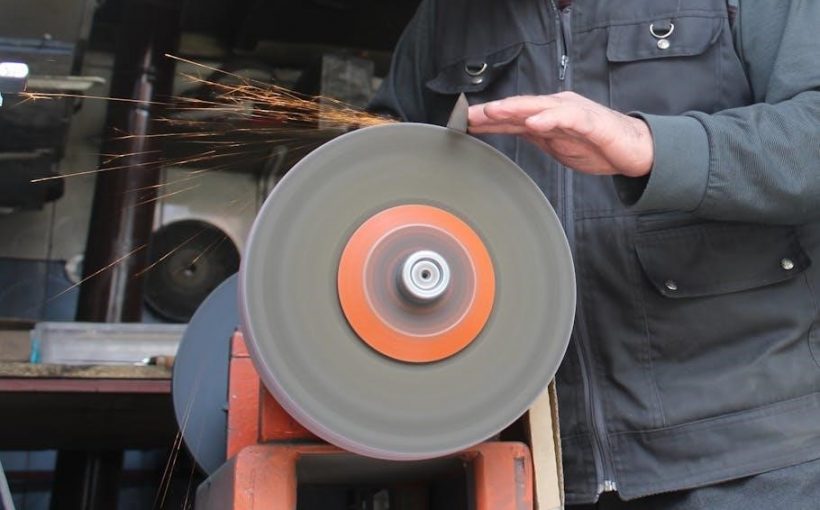
Work Sharp’s Guided Field Sharpener offers a portable, precise sharpening solution for various blades, ensuring a keen edge wherever your adventures take you.
What is the Work Sharp Guided Field Sharpener?
The Work Sharp Guided Field Sharpener is a compact and versatile sharpening tool designed for outdoor enthusiasts, hunters, and anyone needing a reliable edge in the field. Unlike traditional sharpening stones, this system utilizes pre-set angle guides to consistently achieve a sharp edge on knives, fish hooks, and even serrated blades.
It’s a significant upgrade from basic sharpeners, offering precision and ease of use. The device features ceramic sharpening rods and a leather strop, allowing for both sharpening and polishing. Its lightweight design (around 5.6 ounces) and portability make it an ideal companion for camping, hiking, or hunting trips, ensuring your blades are always ready for action.
Key Features and Benefits
The Work Sharp Guided Field Sharpener boasts several key features. Its guided sharpening system maintains consistent blade angles, simplifying the sharpening process for users of all skill levels. The ceramic rods offer effective sharpening, while the integrated leather strop polishes the edge to a refined sharpness.
Benefits include portability – its compact size makes it easy to carry. It’s versatile, capable of sharpening straight, serrated blades, fish hooks, and broadheads. Users appreciate the consistent results and time saved compared to traditional methods. The durable construction ensures longevity, making it a reliable tool for years to come.
Understanding the Components
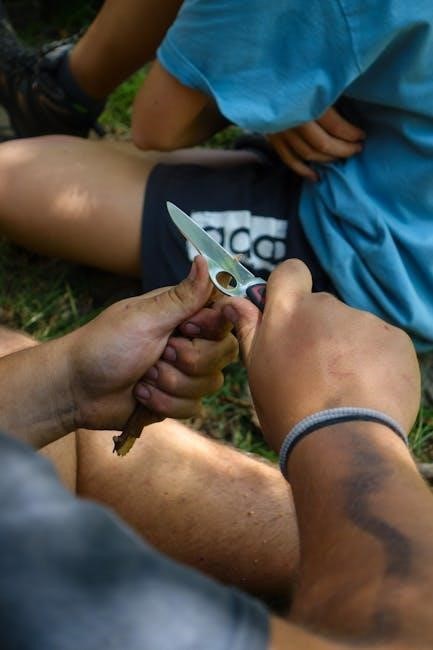
The Work Sharp Guided Field Sharpener comprises ceramic sharpening rods, precision angle guides, and a leather strop, all working together to deliver a razor-sharp edge.
Ceramic Sharpening Rods
Work Sharp’s ceramic sharpening rods are the heart of this system, providing a consistent and effective abrasive surface for honing blades. These rods are engineered to quickly remove material, restoring a dull edge to sharpness with minimal effort. The ceramic material is known for its durability and ability to maintain its shape over extended use, ensuring long-lasting performance in the field.
Unlike traditional sharpening stones, the ceramic rods offer a more controlled sharpening experience. They are designed to work in conjunction with the angle guides, allowing users to consistently achieve the desired edge angle. The rods can be rotated, extending their lifespan and providing access to a fresh sharpening surface as needed. This feature contributes to the overall efficiency and longevity of the Work Sharp Guided Field Sharpener.
Angle Guides
The Work Sharp Guided Field Sharpener incorporates precision-engineered angle guides, a crucial component for achieving consistent sharpening results. These guides simplify the sharpening process, particularly for users who struggle with maintaining a consistent angle freehand. They lock the blade in place at a pre-set angle, ensuring that each stroke removes material evenly along the edge.
The system typically offers multiple angle settings, accommodating various blade types and sharpening preferences. This versatility allows users to tailor the sharpening process to the specific needs of their knives, fish hooks, or broadheads. Properly utilizing the angle guides is key to achieving a sharp, durable edge and maximizing the effectiveness of the ceramic sharpening rods.
Leather Strop
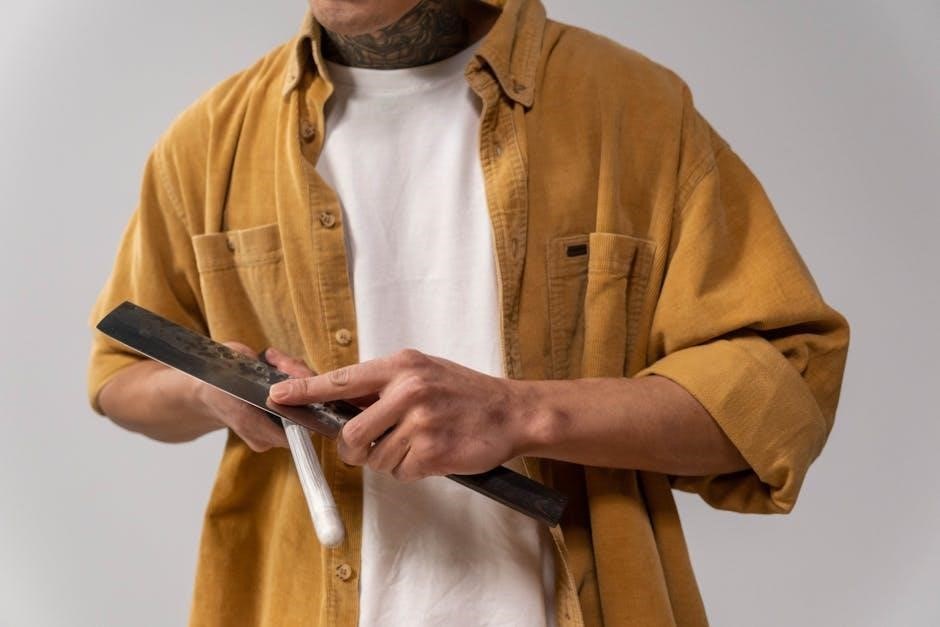
The integrated leather strop within the Work Sharp Guided Field Sharpener is a vital step for refining and polishing the blade edge after sharpening with the ceramic rods. Stropping removes the microscopic burr created during the sharpening process, resulting in a significantly sharper and more durable edge.
The strop’s surface aligns the blade’s micro-teeth, enhancing its cutting performance. Regular use of the leather strop extends the life of the sharpened edge, reducing the frequency of sharpening needed. It’s designed for easy use within the guided system, ensuring a consistent and professional finish every time. Maintaining the strop’s condition is crucial for optimal results.

How to Use the Work Sharp Guided Field Sharpener
Effectively utilizing the Work Sharp system involves preparing the blade, employing the angle guides for consistent sharpening, and finishing with the leather strop.
Preparing Your Knife for Sharpening
Before initiating the sharpening process with your Work Sharp Guided Field Sharpener, proper blade preparation is crucial for optimal results and safety. Begin by thoroughly cleaning the knife blade to remove any dirt, debris, or residue that may interfere with the sharpening action. Inspect the blade for any existing damage, such as chips or significant wear, and address these issues before proceeding.
Ensure a stable and secure grip on the knife during the sharpening process. If the knife handle is slippery, consider wearing gloves to enhance your control. Familiarize yourself with the blade’s geometry and the desired edge angle. Understanding these factors will help you maintain consistency throughout the sharpening procedure, ultimately leading to a sharper and more durable edge.
Sharpening with the Angle Guides
The Work Sharp Guided Field Sharpener excels due to its integrated angle guides, simplifying consistent sharpening. Select the appropriate angle guide based on your knife’s blade type – typically 20 degrees for general use, or steeper for tougher blades. Firmly position the blade against the guide, ensuring consistent contact throughout each stroke.
Apply moderate, even pressure as you draw the blade across the ceramic sharpening rods. Maintain the chosen angle and use a smooth, controlled motion. Repeat this process several times on each side of the blade, alternating strokes to achieve a symmetrical edge. Avoid excessive pressure, which can damage the blade or the sharpening rods.
Using the Leather Strop for a Polished Edge
After sharpening with the ceramic rods, the Work Sharp Guided Field Sharpener’s leather strop refines the edge for ultimate sharpness. The strop aligns the microscopic metal burr created during sharpening, resulting in a smoother, more durable cutting edge.
Apply light pressure as you draw the blade across the strop, maintaining the same angle used during sharpening. Strop in the opposite direction of your sharpening strokes. Repeat this process several times on each side of the blade. The strop removes any remaining imperfections, polishing the edge to a razor-sharp finish, enhancing the blade’s performance and longevity.
Sharpening Different Blade Types
The Work Sharp Guided Field Sharpener excels at sharpening straight, serrated blades, fish hooks, and broadheads, offering versatility for all your cutting tools.
Straight Blades
Sharpening straight blades with the Work Sharp Guided Field Sharpener is remarkably straightforward. Begin by selecting the appropriate angle guide based on the blade’s existing bevel. Consistent pressure and slow, deliberate strokes along the blade’s edge are key.
Maintain the angle throughout each pass, letting the sharpener do the work. Alternate sides with each stroke to ensure even sharpening. The guided system minimizes the risk of altering the blade’s geometry. For a truly refined edge, follow up with the integrated leather strop, which polishes the blade and removes any remaining burrs, resulting in a razor-sharp finish.
Serrated Blades
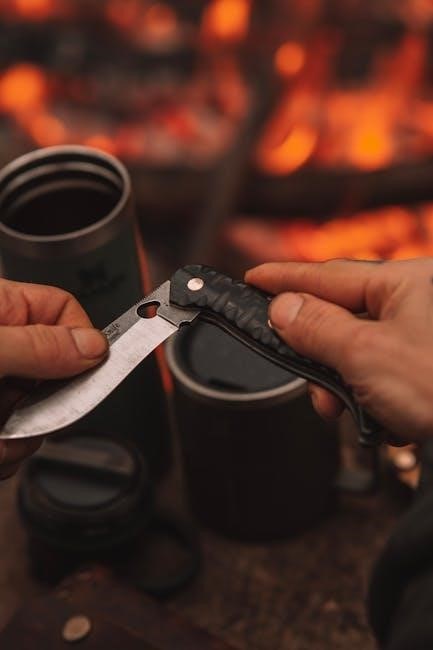
Sharpening serrated blades with the Work Sharp Guided Field Sharpener requires a slightly different technique. Unlike smooth edges, each serration must be individually addressed. Carefully align the sharpening rod with each tooth, maintaining a consistent angle.
Gentle pressure and short strokes are crucial to avoid damaging the delicate serrations. Rotate the blade to access each tooth, ensuring uniform sharpening across the entire length. Patience is key, as this process is more time-consuming than sharpening a straight blade. The strop can refine the serrations, but avoid excessive pressure.
Fish Hooks and Broadheads
The Work Sharp Guided Field Sharpener excels at restoring the razor sharpness of fish hooks and broadheads, vital for successful hunting and fishing. For hooks, carefully secure it and use light pressure with the ceramic rod, following the curve of the point. Maintain a consistent angle to avoid creating flat spots.
Broadheads require similar precision; focus on the cutting edges. The angle guides help maintain the correct bevel. After sharpening, utilize the leather strop to polish and refine the edges, maximizing penetration and effectiveness. Remember safety precautions when handling these sharp implements.
Maintenance and Care
Proper upkeep of your Work Sharp Guided Field Sharpener involves cleaning the rods, replacing the strop when worn, and storing it safely.
Cleaning the Sharpening Rods
Maintaining the ceramic sharpening rods of your Work Sharp Guided Field Sharpener is crucial for optimal performance and longevity. After each use, or periodically with frequent sharpening, it’s important to remove any metal filings or debris that accumulate on the surface.
Simply wipe the rods down with a clean, dry cloth. For more stubborn residue, a slightly damp cloth can be used, but ensure the rods are thoroughly dried afterward to prevent rust or corrosion. Avoid using harsh chemicals or abrasive cleaners, as these can damage the ceramic material. Regular cleaning ensures a smooth, consistent sharpening experience and preserves the effectiveness of your sharpening tool.
Replacing the Leather Strop
The leather strop on your Work Sharp Guided Field Sharpener plays a vital role in refining the blade edge, removing burrs, and achieving a polished finish. Over time, with consistent use, the strop will wear down and lose its effectiveness. Fortunately, replacing it is a straightforward process.
Work Sharp offers replacement strops specifically designed for this sharpener. Simply remove the old strop from the unit and carefully install the new one, ensuring it’s securely fastened. A fresh strop restores the final polishing stage of sharpening, guaranteeing a razor-sharp and durable edge on your knives and tools.
Proper Storage
To ensure the longevity and optimal performance of your Work Sharp Guided Field Sharpener, proper storage is crucial. After each use, clean the sharpening rods and strop to remove any metal filings or debris. Store the sharpener in a dry location, away from excessive moisture or extreme temperatures.
Consider using the included pouch or a dedicated case to protect the unit from scratches and damage during transport or when not in use. Proper storage safeguards the precision components, maintaining the sharpener’s ability to deliver consistently sharp edges for years to come.
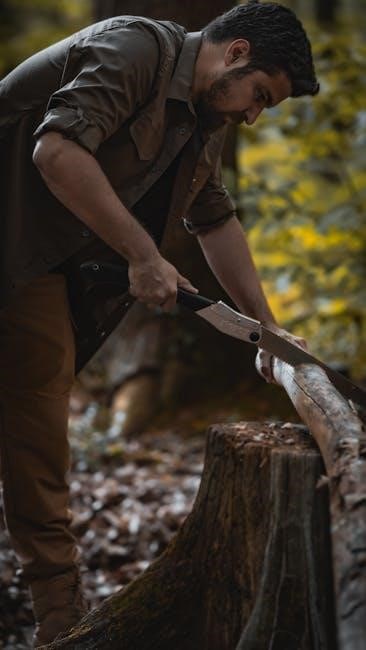
Work Sharp Guided Field Sharpener: Reviews and Comparisons
User reviews praise its portability and effectiveness, while comparisons highlight its advantages over traditional sharpeners, offering a balance of convenience and precision.
User Reviews and Testimonials
User feedback consistently emphasizes the Work Sharp Guided Field Sharpener’s ease of use, even for beginners. Many appreciate its compact size, making it ideal for backpacking, hunting, and everyday carry. Testimonials frequently mention the sharpener’s ability to quickly restore a dull edge to a razor sharpness.
Several reviewers specifically highlight its effectiveness on various blade types, including straight, serrated, and even fish hooks. Others commend the integrated leather strop for polishing and refining the edge. A common theme is the confidence it instills, knowing a sharp knife is always within reach. Positive comments also focus on the durable construction and long-lasting ceramic rods.
Comparison with Other Field Sharpeners
Compared to traditional pull-through sharpeners, the Work Sharp Guided Field Sharpener offers superior angle control and consistent sharpening. Unlike simple V-shaped sharpeners, its guided system minimizes guesswork, resulting in a more refined edge. While some diamond stone systems provide aggressive sharpening, the ceramic rods offer a balance of speed and finesse.
Many competitors lack the integrated leather strop, crucial for polishing and removing burrs. Though some manual sharpening sticks are more affordable, they often require significant skill to achieve comparable results. The Work Sharp distinguishes itself with its user-friendly design and ability to tackle diverse blade geometries effectively.
Pros and Cons
Pros: The Work Sharp Guided Field Sharpener excels in portability and ease of use, delivering consistent sharpening angles for both straight and serrated blades. Its integrated strop creates a polished, razor-sharp edge. It’s remarkably effective on fish hooks and broadheads, broadening its utility. The compact size makes it ideal for backpacking or hunting;
Cons: Some users may find the ceramic rods wear faster than diamond abrasives. While versatile, it may not be the quickest option for heavily damaged blades. The leather strop requires occasional replacement, adding to the long-term cost. It’s also slightly more expensive upfront compared to basic sharpening tools.
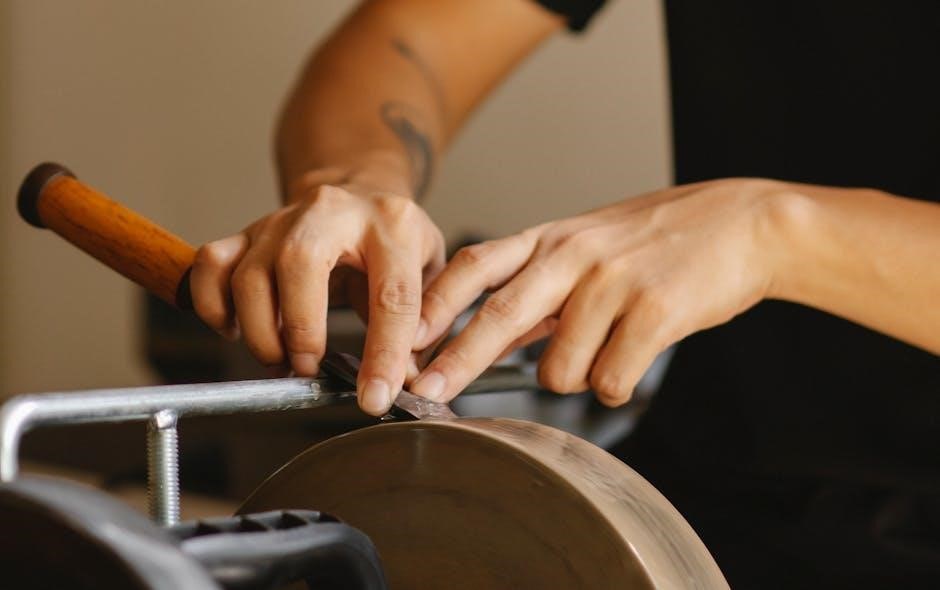
Troubleshooting Common Issues
Maintaining consistent angles, uneven sharpening, and strop wear are typical challenges; adjusting technique and replacing components resolves these issues effectively.
Difficulty Maintaining the Angle
Maintaining a consistent angle with the Work Sharp Guided Field Sharpener can initially present a challenge for some users. The key lies in utilizing the angle guides effectively and applying gentle, even pressure during each stroke. Avoid forcing the blade; let the guides do the work.
Practice on less valuable blades to build muscle memory and refine your technique. Ensure the knife is securely held and that your movements are smooth and controlled. If struggling, double-check the guide is properly seated against the blade’s edge. Remember, consistent pressure and a slow, deliberate pace are crucial for achieving optimal results and avoiding accidental slips.
Uneven Sharpening
Uneven sharpening with the Work Sharp Guided Field Sharpener often stems from inconsistent pressure or stroke distribution along the blade’s edge. To rectify this, focus on applying uniform force throughout each pass, ensuring the entire length of the blade contacts the ceramic rods.
Avoid concentrating pressure on a single point. Rotate the blade slightly with each stroke to ensure even material removal. Regularly inspect the edge for high or low spots, adjusting your technique accordingly. A slow, methodical approach is paramount; rushing can exacerbate unevenness. Consistent practice and mindful technique will yield a uniformly sharp edge.
Strop Wear and Tear
The leather strop on the Work Sharp Guided Field Sharpener, crucial for refining the blade’s edge, will naturally experience wear and tear with consistent use. Regular inspection is vital; look for signs of cracking, hardening, or significant abrasion. To prolong its lifespan, avoid excessive pressure during stropping and clean the strop periodically to remove metal particles.
When the strop becomes noticeably worn, replacement is necessary to maintain optimal sharpening results. Work Sharp offers replacement strops, ensuring continued performance. Proper care and timely replacement guarantee a consistently polished and refined blade edge.

Product Specifications
The Work Sharp Guided Field Sharpener measures 9.53L x 5.42W x 1.12H inches, weighs 5.6 ounces, and utilizes medium-grit ceramic sharpening rods.
Dimensions and Weight
Understanding the physical characteristics of the Work Sharp Guided Field Sharpener is crucial for assessing its portability and ease of handling in the field. This sharpener boasts compact dimensions, measuring approximately 9.53 inches in length, 5.42 inches in width, and a slim 1.12 inches in height.
These measurements contribute to its convenient size, making it easily packable for camping, hunting, or any outdoor activity. Furthermore, the lightweight design, tipping the scales at just 5.6 ounces, ensures it won’t add significant bulk to your gear. This combination of compact size and minimal weight makes the Work Sharp a truly practical choice for maintaining blade sharpness on the go.
Materials Used
The Work Sharp Guided Field Sharpener utilizes high-quality materials to ensure durability and effective sharpening performance. At its core, the sharpening system features ceramic sharpening rods, known for their hardness and ability to quickly refine blade edges. These rods provide consistent sharpening across various steel types.
Complementing the ceramic is a leather strop, essential for polishing and achieving a razor-sharp finish. The body of the sharpener is constructed for robust use, and the angle guides are designed for precision. Work Sharp prioritizes material selection, resulting in a field sharpener built to withstand the rigors of outdoor use and deliver lasting value.
Grit Type
The Work Sharp Guided Field Sharpener employs a medium grit type, striking a balance between aggressive material removal and refined edge creation. This grit level is versatile enough to restore dull edges efficiently while still producing a sharpness suitable for most cutting tasks encountered in the field.
The ceramic rods are pre-set with this medium grit, allowing users to quickly and consistently sharpen blades without needing to select or change abrasive types. Following sharpening with the ceramic, the leather strop further refines the edge, creating a polished and exceptionally sharp result. This combination delivers a practical grit solution for diverse blade needs.